
The Mystery Behind Oakes Park
A gold fortune and an unsolved murder
You're in a park that exists because a broke, wandering gold prospector got extraordinarily lucky — and was later killed in one of the most famous unsolved murders of the twentieth century.
Harry Oakes spent years drifting across North America searching for gold and finding almost nothing. By his late thirties he was nearly broke, largely written off, and still prospecting. Then, in Kirkland Lake, Ontario, he found the gold that became the Lake Shore Mine, one of the richest gold mines ever found in Canada. Within a few years he was one of the wealthiest men in the British Empire.
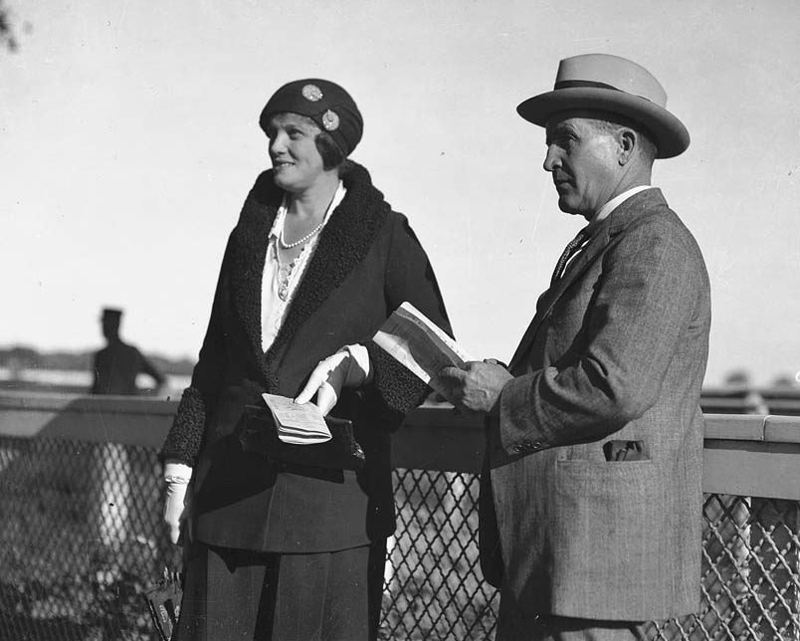
He could have lived anywhere. He chose Niagara Falls. He made his home at Oak Hall, a grand Tudor-style mansion above the Dufferin Islands that is now the headquarters of the Niagara Parks Commission. He bought property, invested in the city, and gave generously to public spaces and community projects.
This park is one of the most visible things left from that generosity. In 1931, during the Great Depression, Oakes paid for it to be built as a make-work project, giving jobs to local men who had none. You're standing in it right now because a gold miner decided this city was worth his money.
In 1943, Oakes was found murdered in his mansion in Nassau, in the Bahamas. His son-in-law was charged, tried and found not guilty. The real killer was never identified. The case made headlines around the world, set off theories about his fortune and powerful enemies, and has never been solved.
The park kept his name. The murder kept its secret.
This sign stands at Oakes Park. See it on the map
That's the last sign You found all 20. See them on the mapPhoto credits
- Alexandra Studios (Toronto): Louis or Nathan Turofsky, Roy M, Public domain, via Wikimedia Commons
