
Ice Jams, Floods and Near Disasters
The day the river nearly stopped
Niagara Falls has lived through many natural events that pushed the river to its limits. Ice jams, floods and extreme weather have threatened bridges, power stations and the towns downstream again and again.
One of the most dramatic came in March 1848, when strong winds pushed ice from Lake Erie into the head of the river and formed a natural dam. For about 30 hours the Niagara River slowed to a trickle and the Falls nearly stopped. Mills shut down, fish were stranded, and people walked out onto the exposed riverbed.
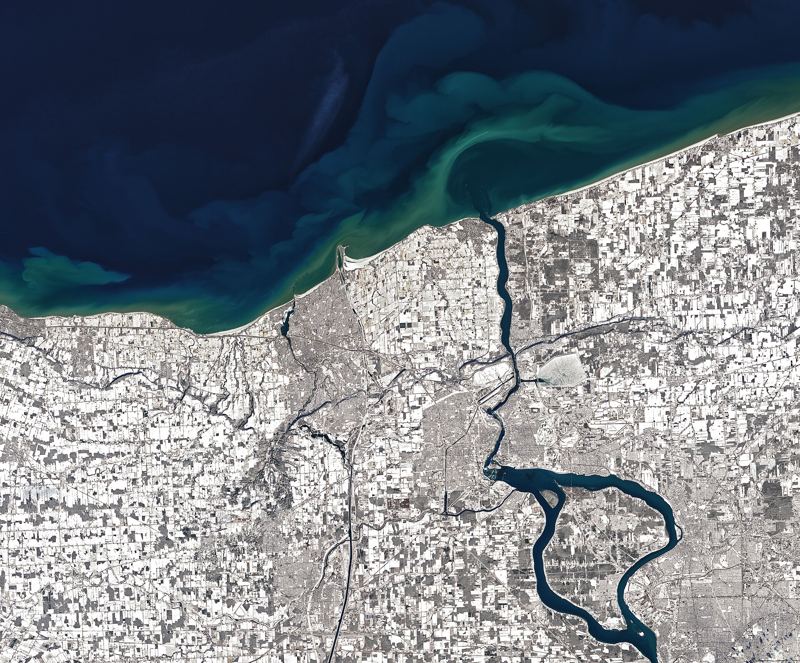
Flooding is the opposite danger. A fast ice breakup or heavy rain can raise the water quickly, putting pressure on riverbanks, bridges and shorelines. Ice floes pushed by the wind can damage power intakes and turbines.
Today an ice boom stretches across the head of the river, at the Lake Erie end, to stop huge sheets of lake ice from pouring downstream. Forecasting, monitoring and planned responses now lower the risk of disaster.
These near disasters show how sensitive Niagara is to conditions far upstream. The Falls respond not only to local weather, but to ice, wind and water levels across the Great Lakes.
This sign stands at Kings Bridge Park, Chippawa. See it on the map
Next sign 2Niagara's Hidden Machine Niagara Parkway, across from the International Control DamPhoto credits
- NASA Earth Observatory image by Joshua Stevens, using Landsa, Public domain, via Wikimedia Commons
